

Neon Deep Hunter opens with a sea setting, quick targets, and simple controls for action players. The game fits players at 7V7V seeking clear movement, PHP/USD values, and direct prize feedback. This guide helps new and regular players understand rules, shot choices, and room flow.
How Neon Deep Hunter constructs its undersea chase
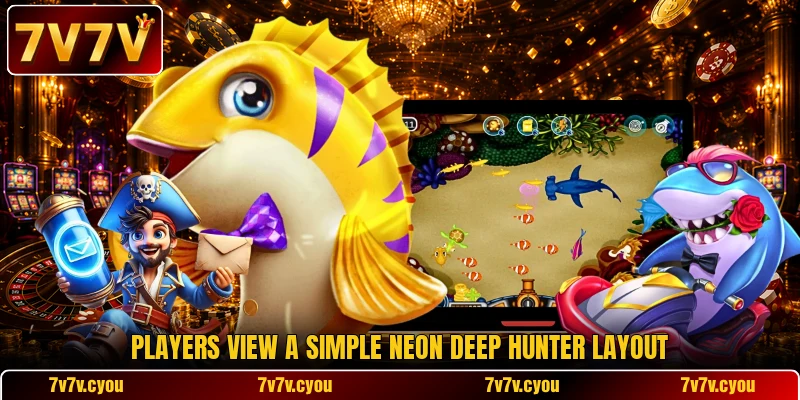
The Neon Deep Hunter layout uses glowing fish, coin values, and an edge cannon. Players follow target speed first, because fast movement changes the value of each shot. 7V7V presents the theme in a clean lobby, so members can compare rooms before joining.
Each round starts when players choose a room, set stakes, and fire. The Neon Deep Hunter screen shows small prizes often, while large targets need timing. PHP and USD values help members read cost clearly before a round begins.
The main appeal comes from direct action instead of long menus. Players can watch movement patterns, choose a cannon level, and adjust shots between waves. The experience stays focused on sea targets, bright effects, and quick reward signals.
Rules that shape each deep sea hunting round
The game follows simple shooting, yet rooms differ by speed and payout range. Neon Deep Hunter becomes easier to understand when players separate target value, shot cost, and hit result.
Neon Deep Hunter symbol flow
Small targets usually move in groups and give members steady screen activity. They may carry lower values, yet their paths are easier to follow during crowded waves. Players often use these targets to learn cannon rhythm without large PHP exposure.
Medium targets cross the screen more slowly and can reward better than small fish. Their movement gives players more time, but missed shots still reduce the active balance. A USD view can help members compare cost when rooms list mixed currency values.
Large targets appear less often and may need repeated hits. They look attractive, yet size does not remove proper shot placement. Neon Deep Hunter rewards attention to movement rather than random tapping.
Cannon levels and shot cost
The cannon level controls how much each shot costs during active play. A low setting may suit members testing a room with PHP 20 to PHP 50 starts. Higher settings can create faster balance changes, especially during heavy target waves.
Players should read the displayed shot price before increasing the cannon level. This avoids confusion when one click costs more than the previous round. This keeps controls simple, but careless changes still affect session results.
Some rooms may show stronger cannons for higher balance ranges. These rooms can feel faster because each shot carries more value. Members using USD 5 or USD 10 ranges should confirm limits before pressing start.
Target value and hit result
A target value shows the possible return when a successful hit lands. The actual result depends on the game system, target type, and shot connection. Players should treat each displayed value as guidance, not a fixed promise.
Hit feedback usually appears through coins, flashes, or score changes on screen. These signs help members know which target paid and how the balance moved. Neon Deep Hunter uses visual feedback to keep each round easy to read.
Missed shots do not create prizes, so target position matters during every wave. Players can avoid wasted clicks by aiming at groups entering the center area. Clear timing helps more than chasing every fish crossing the screen.
View more: Frozen Reef Arena – Practical Rules And Play Guide
Room limits and balance range
Rooms often differ by entry balance, cannon range, and target speed. A basic room may fit players starting near PHP 100 or USD 2. A higher room may suit members who prefer larger shot values and stronger waves.
Before joining, players should compare visible limits with their intended session size. This step keeps the room choice connected to actual bet comfort. The game feels smoother when the room scale matches the chosen stake.
Members can leave a room and enter another when pace feels unsuitable. This keeps play flexible without changing the whole account setup. Room selection matters beyond a simple lobby step.
Practical ways to interpret each paid shot
Good play comes from reading the screen before pressing the fire button. Neon Deep Hunter gives enough movement clues for players who watch waves, values, and cannon changes.
Shot timing near moving groups
Groups of targets create better aiming windows than single fast fish. Players can aim where the group will travel, not only where it appears. This habit helps reduce empty shots during crowded ocean scenes.
When fish turn near edges, their path becomes harder to follow. Waiting until they move toward the middle can make aiming clearer. Members gain better rhythm by firing after observing one full movement cycle.
Repeated shots at the same moving group can work when targets stay close. Still, each click has a cost, so players should track balance movement. Better results come when timing follows visible motion.
Target choice by payout size
Low value targets can keep the round active with frequent hit chances. They may not create large results, but their movement teaches useful aiming habits. Players can use them to understand room speed before selecting bigger targets.
Medium value targets balance cost and possible return. They often move clearly enough for planned center shots. Members should compare their value with the cannon price before firing repeatedly.
High value targets require more patience because they may need several hits. Players should avoid chasing them across corners when the angle becomes poor. Neon Deep Hunter supports selective shooting when players read both value and path.
Room choice for bet limits
A good room fits balance, shot price, and preferred pace. Members starting small may choose PHP 50 to PHP 200 rooms. This makes early rounds easier to follow without sudden large deductions.
Players using USD values should compare exchange display and minimum shot price first. A room that looks small in one currency may feel different in another. Clear reading prevents confusion before the first paid shot begins.
Changing rooms can help when target speed feels too crowded or too slow. Members may test another lobby area instead of forcing poor timing. Better control comes when room choice matches shot habits.
View more Category: Fish
Conclusion
Neon Deep Hunter gives players a bright hunting format built around target movement, shot cost, and room choice. Members can use this guide while enjoying 7V7V with clear PHP/USD values. Download the app, enter a suitable room, and good luck.