

Pixel Tunnel Dash brings a fast tunnel game idea to 7V7V, where members read movement, timing, and room flow before joining. This guide is written for players who want rules, direct steps, and goals before using PHP or USD.
Inside Pixel Tunnel Dash for transparent tunnel play
The main appeal of Pixel Tunnel Dash comes from a narrow path, moving hazards, and quick choices. Members see a bright tunnel layout that asks for steady reactions during every run. Each stage feels direct because controls, speed, and result checks stay easy to follow.
Players can enter the game lobby, choose a room, and read basic details first. The 7V7V layout keeps the game card visible with balance and session information. A simple screen helps members compare PHP or USD entries without extra pages.
The game suits players who prefer quick rounds instead of long table sessions. Every run focuses on motion, timing, and clean lane changes across a tight tunnel. Result screens should be checked because small details may explain score differences.
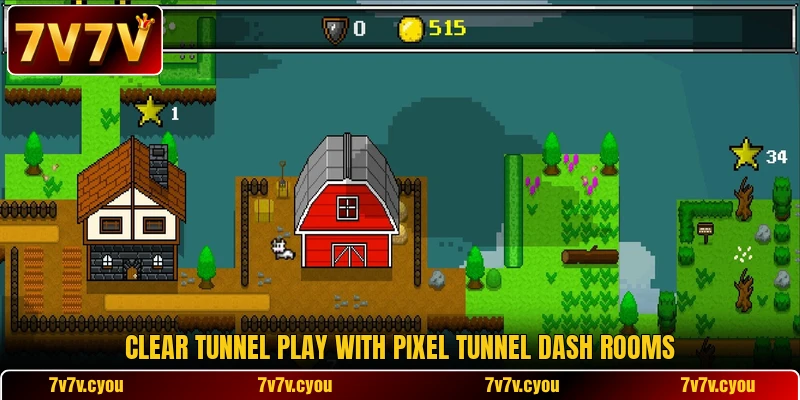
Rules and round progression for tunnel players
Rules matter because tunnel games move quickly, and late reading can cause wrong actions. Members should understand each screen before a round begins, especially when PHP or USD entries appear.
Pixel Tunnel Dash round basics
A round of Pixel Tunnel Dash begins when players confirm a room and start the run. The screen shows the tunnel, movement path, score counter, and hazards. Members should read these items first because fast motion leaves little time later.
The goal is to move through the path while avoiding direct contact with obstacles. A clean run can continue longer, while mistakes may end movement sooner. Different rooms may use speed levels, so players should check details.
Round endings show score, result status, and any entry outcome. Members should review that screen before starting another attempt with PHP or USD. This keeps session records clear and reduces confusion after quick rounds.
Start lane and timer
The start lane shows tunnel speed and movement space. A stable opening position helps members react before hazards become closer. Players should avoid rushing the first move because early contact can shorten the run.
A timer may show how long the round remains active. When time moves faster, members need shorter movements and fewer lane changes. Long swipes can create gaps between intention and movement.
The best opening is usually a lane with fewer hazards. Players should look ahead instead of staring only at the current position. This gives members time to prepare the next movement.
Obstacles and safe moves
Obstacles can appear as blocks, walls, gaps, or moving shapes inside the tunnel. Their speed may change during the run, making early comfort unreliable. Players need to watch patterns because repeated shapes often signal the next safe space.
Safe moves depend on timing more than constant movement across the screen. Members who shift too often may enter danger when a clean lane exists. Short controlled actions usually work better than wide movements during narrow sections.
Before entering Pixel Tunnel Dash, players should test controls in a smaller room when available. A light entry helps members understand response speed before larger PHP/USD choices. This preparation makes later room selection easier and more accurate.
View more: Alien Runner X – A Sharp Space Chase Built For Players
Scoring and result checks
Scoring may depend on distance, survival time, collected items, or finished tunnel sections. Members should read the room description because rules can vary by format. A clear score view helps players compare runs without guessing.
Result checks are important after any sudden end or unexpected score change. Players should look at final numbers, entry amount, and room details together. This avoids mistakes when quick rounds happen together.
Members should treat Pixel Tunnel Dash as a fast game that rewards clean reading. A higher score normally comes from safer paths, better timing, and fewer collisions. Careful result checks also help players decide which room feels suitable.
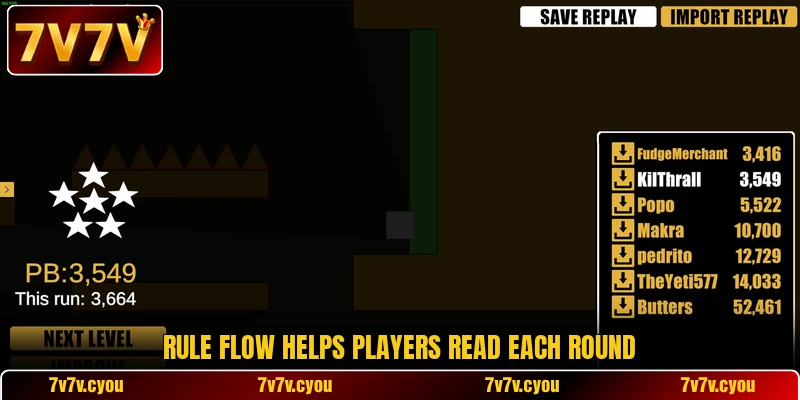
Steps and room selections for steady play
A clear path into Pixel Tunnel Dash starts with account access, lobby reading, and room selection. Members should connect each step logically so the game opens without confusion.
Account entry and game launch
Players first sign in with the correct account details and check the balance display. The lobby should load before any game card is selected. Members can then use search or the game list to find the title.
After opening the game card, players should read room labels and entry amounts. PHP and USD values must be clear before any selection is confirmed. A final check prevents accidental entry into a room with unsuitable conditions.
The launch screen may show loading notes, control hints, or room reminders. Members should let this screen finish instead of tapping several times. Repeated taps can cause unwanted selections when the interface changes quickly.
Practice chambers and active tables
Practice rooms are useful when players need to understand speed and obstacle behavior. These rooms may use smaller entries or lighter settings, depending on availability. Members can test movement without focusing on larger PHP or USD outcomes.
Active rooms usually have faster play, clearer competition, or stronger score targets. Players should compare room size, entry amount, and game pace before joining. A busy room can feel exciting, but movement control still matters most.
The best rooms for Pixel Tunnel Dash match the player’s control comfort and preferred speed. Members who like quick action may choose faster rooms after reading details. Players who need steadier movement can stay with slower formats longer.
Play tips with clear timing
For Pixel Tunnel Dash, players should focus on the next two hazards instead of one. This gives members more time to prepare lane changes with cleaner timing. Looking ahead also reduces panic taps during tight tunnel sections.
Short movements help players stay close to safe spaces inside narrow paths. Members should avoid extra turns when the current lane remains open. A simple movement plan keeps the run smoother during faster sections.
Players should compare several results before judging whether a room fits them. One round can end early because of timing, loading, or a difficult pattern. Three or four checks give members a fairer view of room behavior.
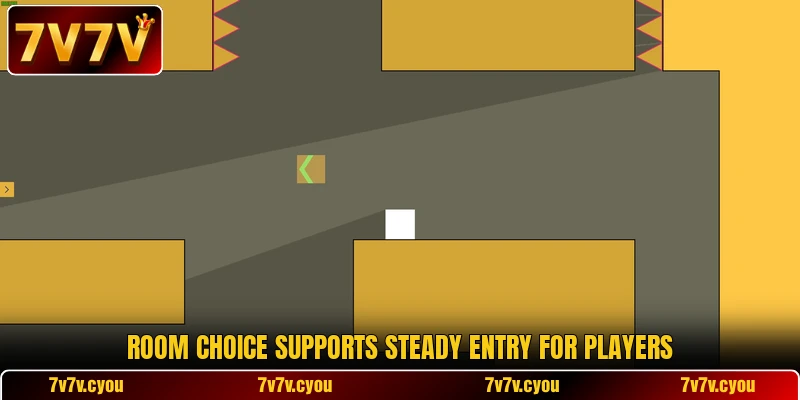
View more Category: Arcade
Conclusion
Pixel Tunnel Dash gives players a clear tunnel challenge built around timing, hazards, room choice, and direct result checks. Members can use 7V7V to read the game card, compare PHP or USD entries, and choose rooms with care. Register, load the app, open the game, and may every run bring better timing and luck.